While my primary focus is Tenant Representation, I’ve noticed a shift in the South Florida commercial real estate market. I’ve closed two commercial condo sales in recent months, and more prospects are asking about owning rather than leasing.
So, what’s driving the renewed interest in ownership—and what does it mean for you and your business?
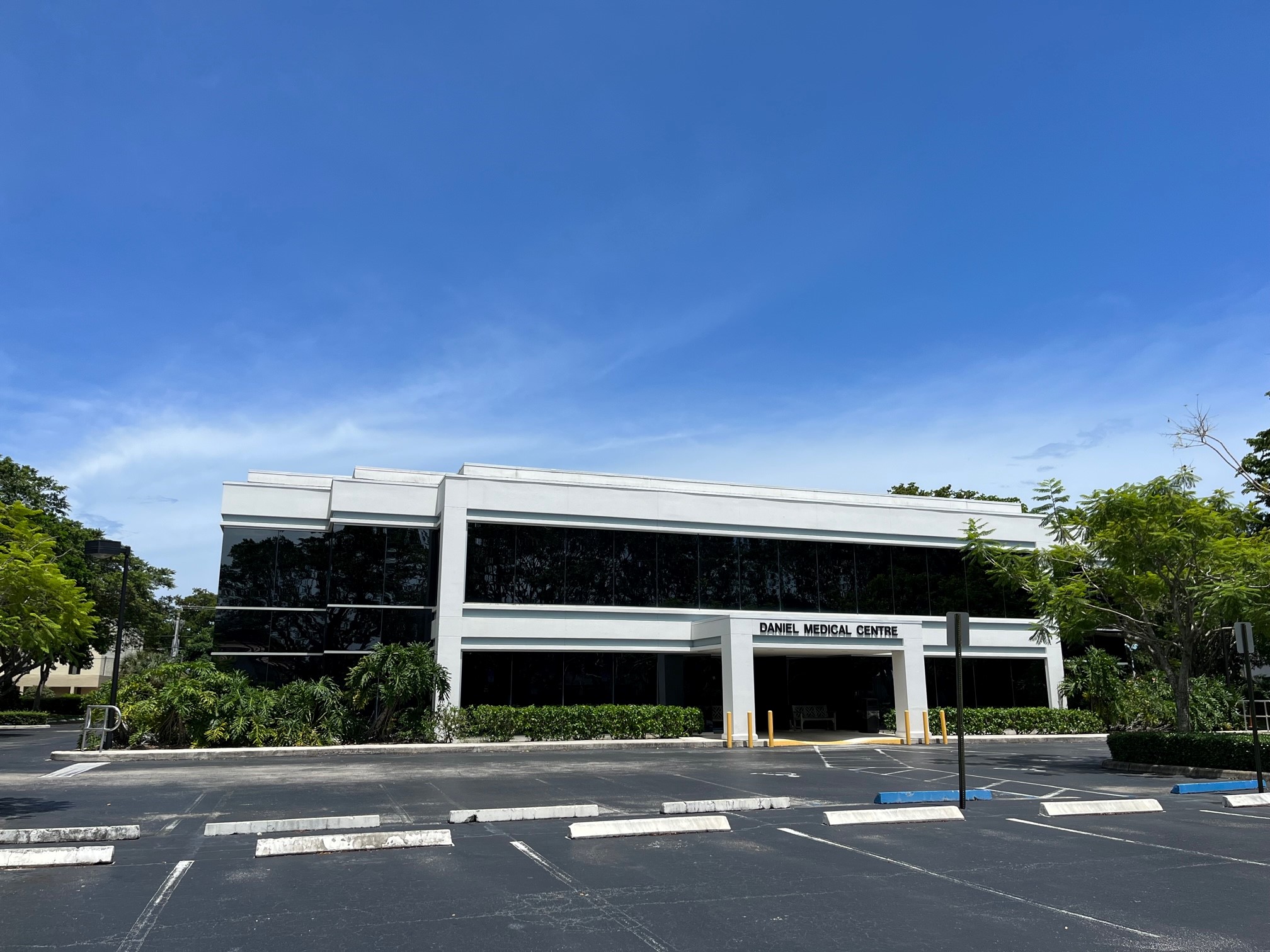
Ken Silberling – Boca Raton medical office condo sale $488 psf
I first wrote about this in my 2015 series on office condos. At the time, there was a rather simple argument – owning was cheaper than leasing. Today, the motivation is just as strong but it’s more about controlling costs five, ten or fifteen years into the future.
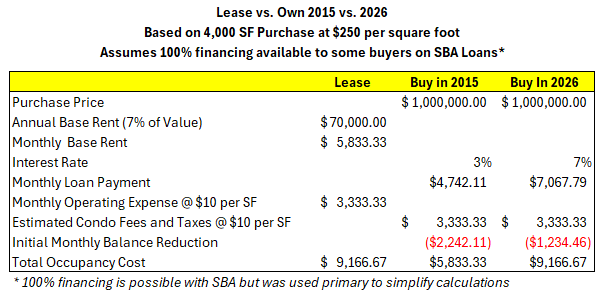
Back in 2015, you could buy, take a loan, and pay the bank interest at around 3%. Or you could lease from an investor who would require a return (or CAP rate) of around 7%. On a $1 million purchase, owning could cost up to $3,000 less than leasing. (Calculations Below) Leasing would provide more flexibility to expand, downsize or relocate as needed, but for stable companies, owning was basically a no-brainer.
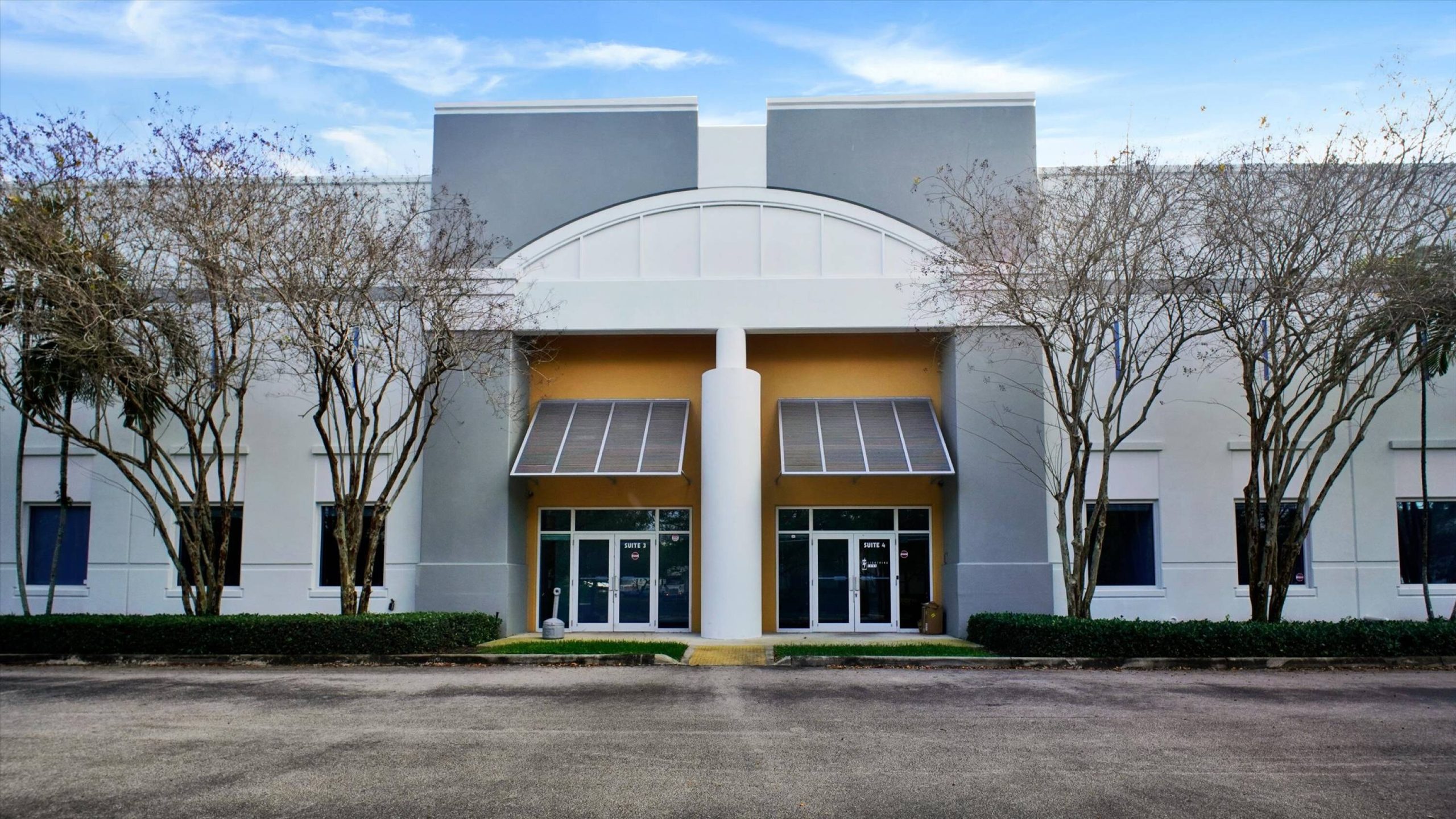
Ken Silberling – Coconut Creek Industrial Condo Sale $356 psf
Fast forward to 2026. With interest rates and cap rates both in the 6 to 7 percent range, there is little difference between the monthly cost of owning versus leasing. Sure, there is the pride of ownership as well as the ego boost. But what is driving companies to own their real estate in 2026?
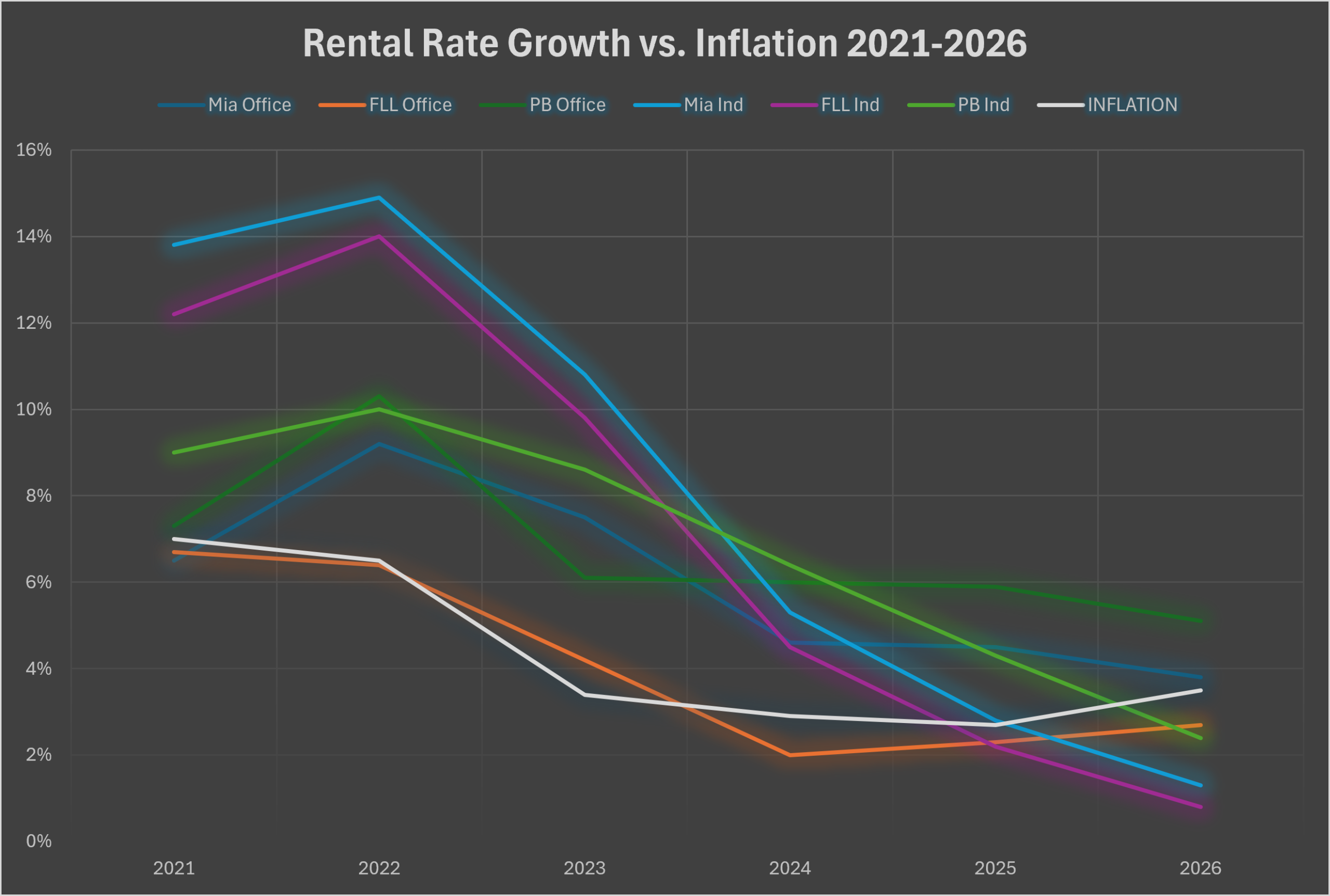
The key issue is rental rates. As an owner/borrower, your mortgage payment stays fixed over the life of the loan. In contrast, leases are subject to annual escalations and tenants are at the mercy of their landlords on renewal. From 2021 to 2024 we saw unprecedented increases in rental rates due to e-commerce growth, constrained supply and in-migration; all accelerated by COVID. Sale prices, particularly in the industrial sector doubled betweeen 2020 and 2024.
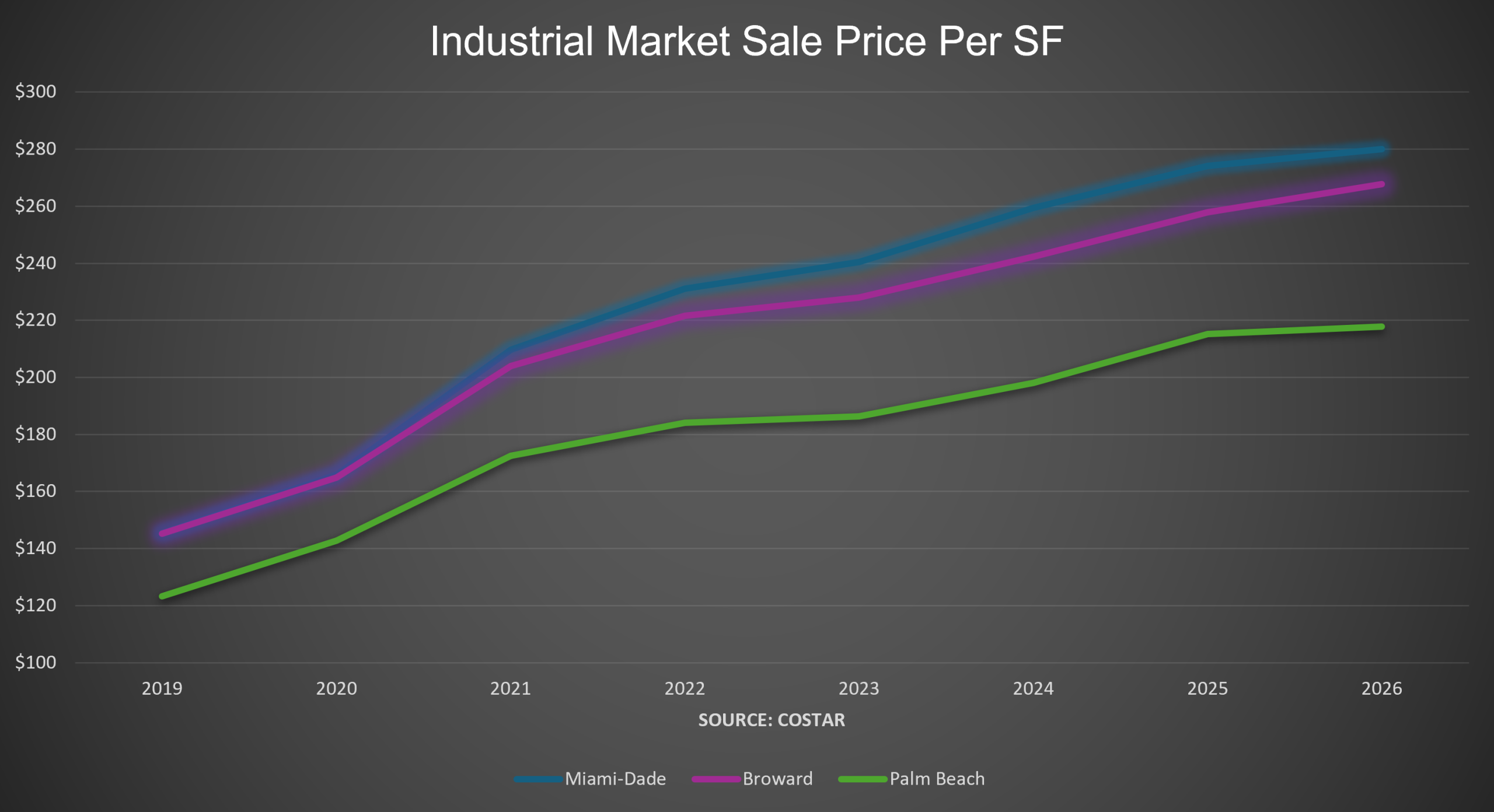 My clients who were either smart enough and/or lucky enough to buy their properties over the past 10 years not only locked in their monthly cost of occupancy, they also benefitted from significant appreciation as increasing rents drove values higher.
Today, I see rental rates beginning to moderate across the market as many tenants cannot continue to absorb the increasing costs of occupancy. While property values remain elevated, the curve had clearly flattened.
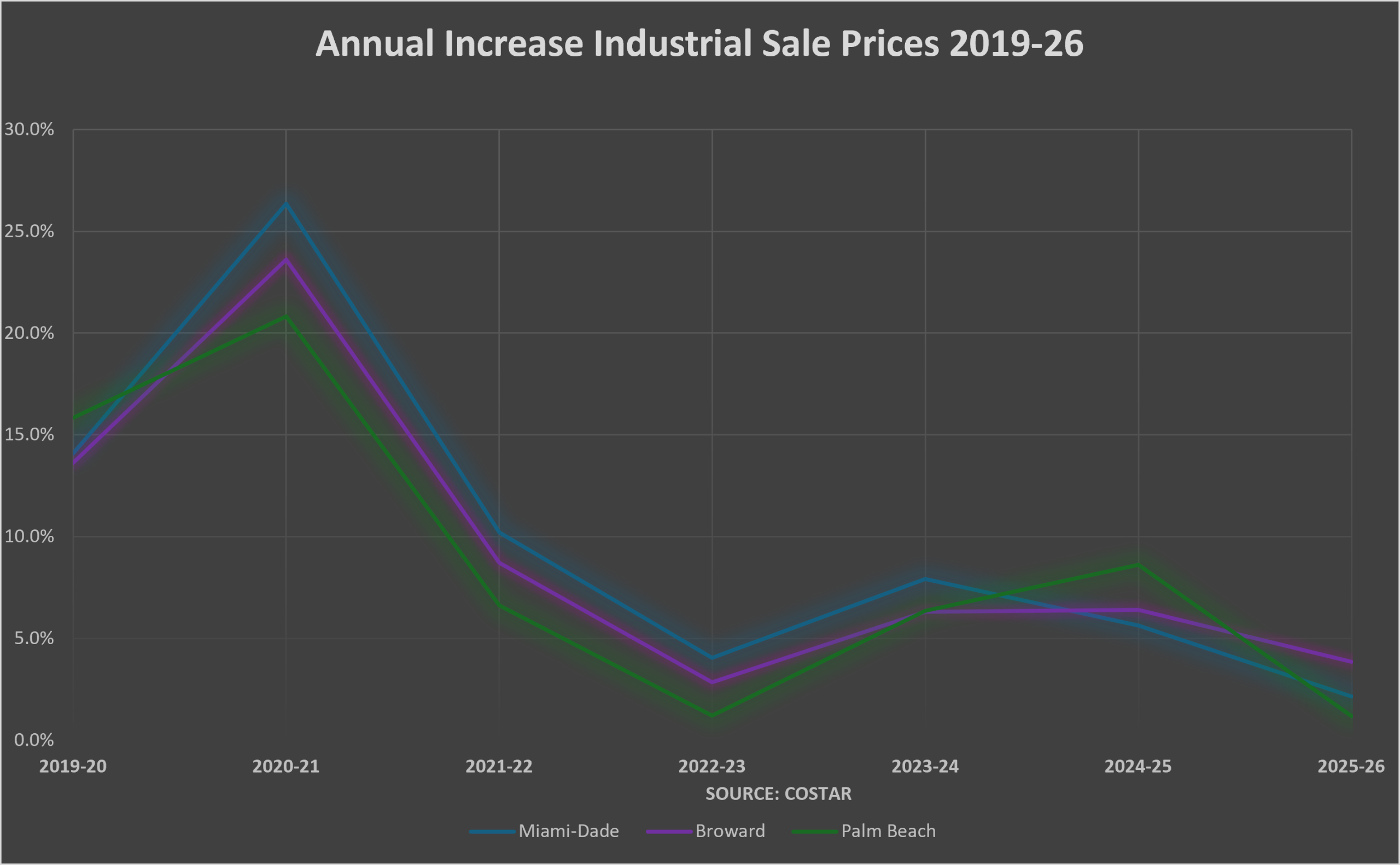
In 2015, buying was primarily about cheaper occupancy. In 2026, buying is more about controlling future occupancy costs. While single user and condominium properties may not see the appreciation we have seen in recent years, we can expect a period of stable growth.
Is leasing right for your company? Would you prefer to own? There are strong arguments for either case. I’d be happy to review your lease vs. buy scenarios and determine your ideal strategy.